
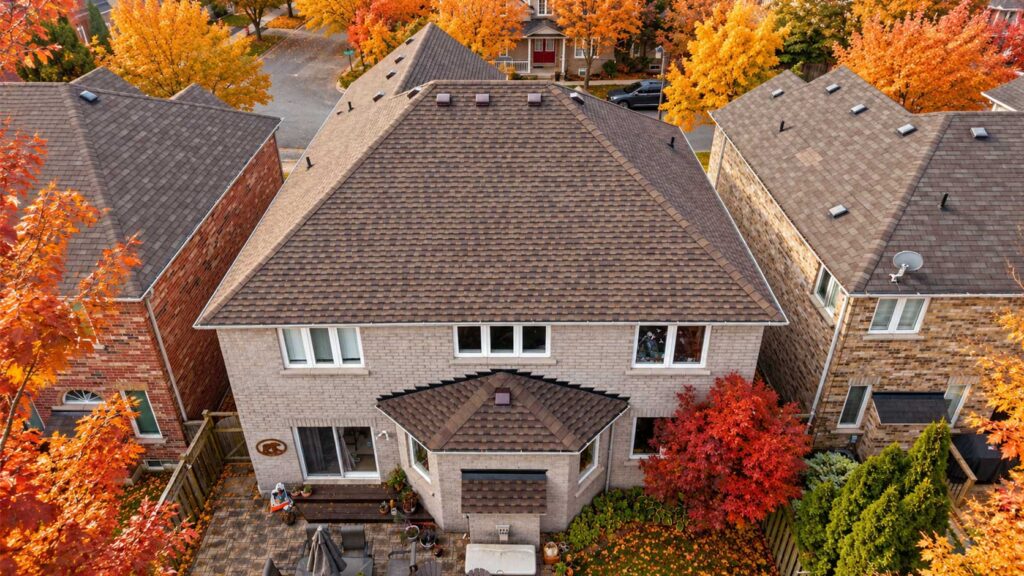
November brings colder temperatures, heavy rain, falling leaves, and the possibility of early snowfall across Toronto and the Greater Toronto Area. Before winter arrives, homeowners should make sure their roofs are ready for the changing weather.
November roof maintenance is an important part of protecting your home from preventable roofing problems. Checking for damaged shingles, blocked eavestroughs, deteriorating flashing, and signs of moisture can help identify concerns before snow and freezing temperatures make repairs more difficult.
For homeowners in Vaughan, Richmond Hill, Aurora, Newmarket, Toronto, and surrounding communities, a few practical roof maintenance checks in November can help protect the roofing system and reduce the risk of unexpected winter problems.
Here are six important areas to review before winter arrives.
Why November Roof Maintenance Matters Before Winter?
Your roof has already experienced summer heat, heavy rainfall, and autumn winds. Falling leaves can collect in gutters and valleys, while seasonal storms may expose weaknesses around shingles and roof openings.
Once snow covers the roof, certain problems become harder to see. Cold temperatures and slippery surfaces can also complicate access and repair scheduling.
A November check gives you a clearer picture of your roof’s condition. It can help you distinguish routine maintenance from concerns requiring professional attention, allowing you to plan the next steps before a minor issue becomes an urgent disruption.
Look for Visible Shingle Damage
Start with a visual check from the ground. Use binoculars or your phone’s camera zoom to examine areas you can see safely.
Look for missing shingles, lifted edges, uneven sections, or debris trapped in roof valleys. Changes following a windy day are especially worth noting.
Visible damage does not automatically mean the entire roof needs replacement. Some concerns may be addressed through targeted repairs, depending on the condition of surrounding materials.
Avoid climbing onto the roof yourself. Wet leaves, frost, and steep slopes create serious slipping hazards. A qualified roofing professional can assess areas that are difficult to inspect safely from below.
Check Eavestroughs and Downspouts
Leaves and twigs can collect in eavestroughs throughout autumn. If debris blocks the flow of water, rainfall may spill over the edges instead of reaching the downspouts.
From a safe location, watch for overflowing gutters during rain. Also look for sagging sections, loose connections, visible leaks, or water collecting close to the house.
Downspouts should remain connected and discharge through an appropriate drainage route away from the foundation.
Arrange cleaning where needed, particularly after nearby trees have shed most of their leaves. Professional cleaning also provides an opportunity to identify damaged sections and drainage concerns before freezing weather arrives.
Pay Attention to Flashing
Flashing helps direct water away from joints and transitions around chimneys, skylights, walls, and roof penetrations. These areas deserve attention because several materials meet at each connection.
Displaced metal, damaged surrounding roofing, or recurring indoor stains may indicate a problem that requires closer inspection.
A surface application of sealant may not address the underlying cause. Effective repairs depend on understanding where water enters and how the roofing components should work together.
If you have previously repaired a leak near a chimney or skylight, mention it during your inspection. That history can help the contractor evaluate whether the concern has been resolved.
Look Inside for Moisture
Your ceilings and upper walls may reveal roofing concerns before you notice anything outside.
Check for new water stains, bubbling paint, peeling finishes, damp drywall, or musty odours. Pay particular attention to rooms beneath roof valleys, chimneys, and skylights.
Record when a symptom appears. Moisture following rainfall may have a different source from condensation developing during cold weather.
If you can safely view the attic from its access opening, look for obvious staining or damp insulation. Do not step onto unsupported surfaces.
Attic moisture does not always indicate a roof leak. Condensation and indoor air leakage may also require investigation.
Consider Previous Winter Problems
Think back to last winter. Did you notice recurring ice buildup, leaks during snowmelt, or damp patches that disappeared in warmer weather?
These patterns are useful clues.
Ice dams can develop when snow melts on warmer roof areas and refreezes near colder edges. Several conditions can contribute, including heat loss, insulation, air leakage, roof geometry, and ventilation.
Clearing gutters supports drainage, but it does not address every cause of winter ice buildup.
Discuss repeated problems with a professional who can assess the relevant roof and attic conditions. Avoid attempting to chip ice from shingles, as this can damage roofing materials.
- Check Around Skylights
Skylights bring natural light indoors, but their surrounding roofing details need regular attention.
Look for stains around the opening, damaged interior finishes, or moisture that returns after rain. Condensation on the glass may relate to indoor humidity and surface temperatures, while water entering around the frame requires further investigation.
Note when and where moisture appears. Clear photographs and a simple record of weather conditions can help a professional identify the source more efficiently.
Prepare for Winter with Unique Roofing
Professional November roof maintenance can help identify roofing concerns and determine which repairs should be addressed before freezing weather arrives.
Unique Roofing Limited helps homeowners address concerns involving shingles, skylights, eavestroughs, and downspouts. Our approach focuses on understanding the condition of the roofing system and explaining appropriate next steps.
Contact our team to discuss your roof before winter weather makes an existing concern harder to manage.